Gottman Emotional Intelligence: Skills for Better Bonds
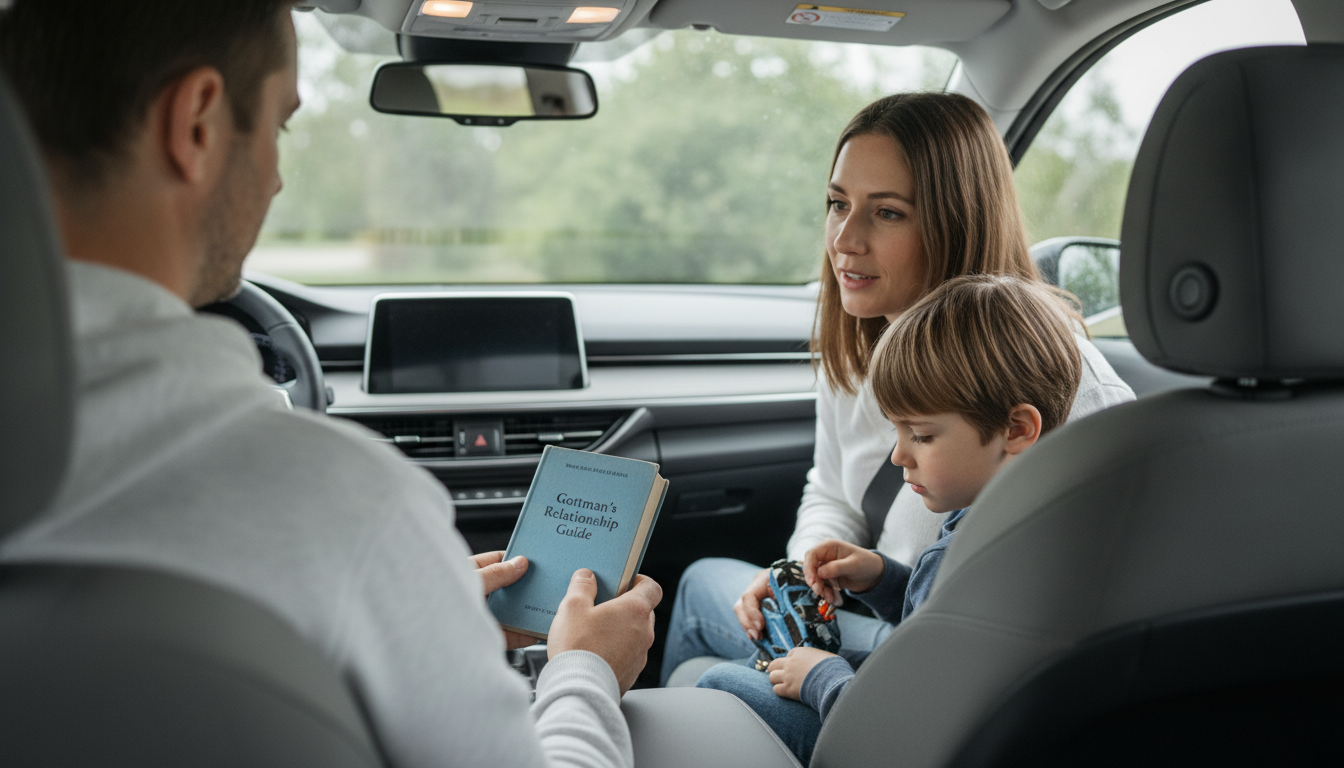
What is Gottman’s emotional intelligence?
Gottman’s emotional intelligence refers to a set of practical skills for recognizing, understanding, and responding to emotions—especially in close relationships. Developed through the Gottman Institute’s research on couples and families, it focuses on how emotional awareness and supportive responses can strengthen connection, reduce conflict, and help people feel understood.
Rather than treating emotions as problems to “fix,” this approach treats feelings as meaningful signals. The goal is to notice what’s happening inside yourself and your partner, talk about it clearly, and respond in a way that builds trust.
Key ideas behind Gottman’s approach
Emotions carry information. Anxiety might signal uncertainty, anger may point to feeling disrespected, and sadness can reflect loss or loneliness. Naming the emotion helps clarify what’s actually needed.
Attunement matters. Gottman emphasizes turning toward emotional bids—small attempts for connection like sharing a worry, asking for support, or wanting attention. Responding with interest and care (instead of dismissing or ignoring) supports emotional safety.
Validation reduces defensiveness. Validating doesn’t mean you agree; it means you understand the emotion and why it makes sense from their perspective. This can lower escalation and make problem-solving possible.
How it shows up in real conversations
In a disagreement, emotional intelligence might sound like: “I’m getting overwhelmed and need a minute,” or “It makes sense you’re upset—tell me what felt hurtful.” These responses help both people stay regulated, which is often the difference between a fight that spirals and a talk that leads somewhere productive.
Why it’s useful for couples and families
Gottman’s emotional intelligence is closely tied to the idea of “emotion coaching,” where partners or parents help each other (or children) identify feelings, tolerate difficult emotions, and choose healthier responses. Over time, this can improve intimacy, reduce resentment, and create a more supportive home environment.
For a deeper breakdown and examples, visit the main guide: What is Gottman’s emotional intelligence?
FAQ
How can couples build emotional intelligence skills?
Practice naming emotions in the moment, validate each other’s experience, and ask open-ended questions before jumping to solutions. Small habits—like turning toward bids and taking calm breaks when flooded—build stronger emotional awareness over time.












Leave a comment