Decode Dog Body Language: Speak Dog With Confidence
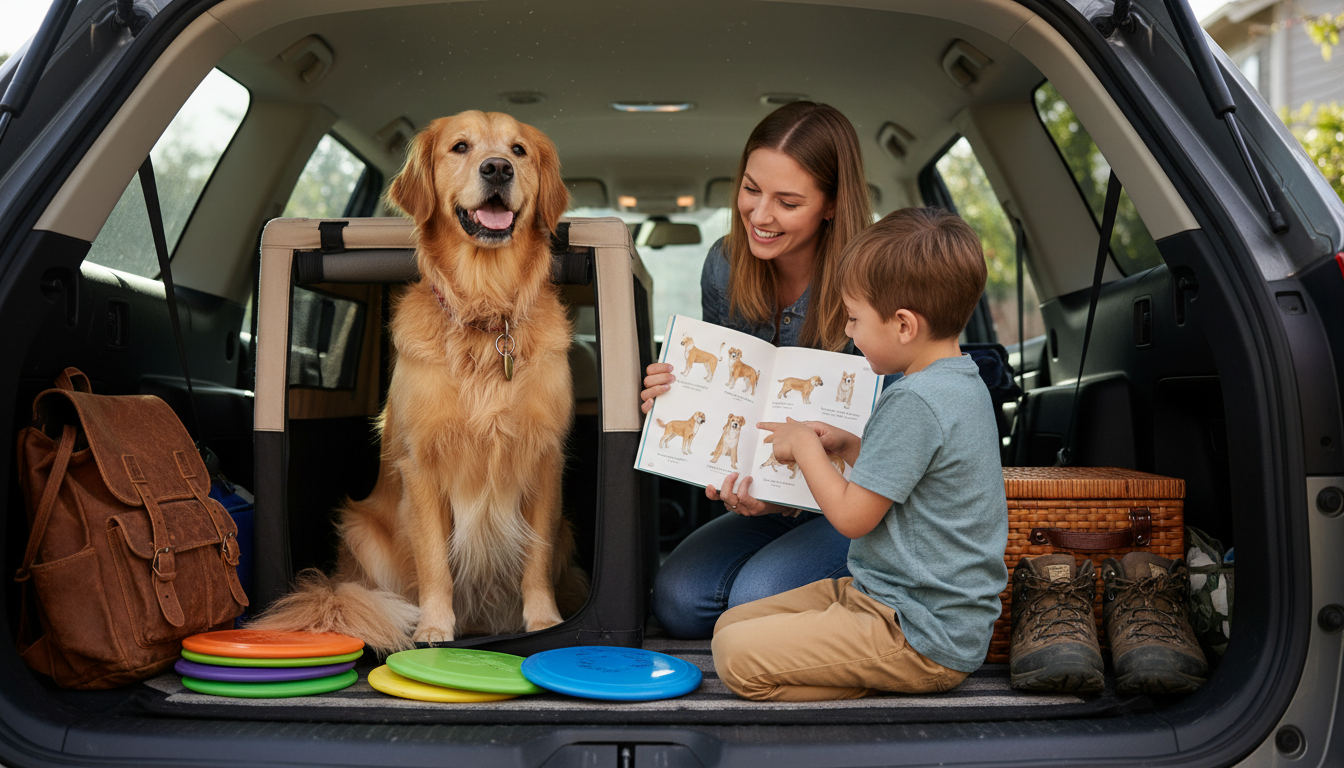
How to speak dog a guide to decoding dog language?
“Speaking dog” means learning how dogs communicate with their whole body—posture, face, tail, movement, and sound—so responses match what they’re actually feeling. Start by reading the full picture instead of fixating on one signal (like a wagging tail), then adjust your distance, tone, and pace to keep interactions calm and predictable. For a deeper breakdown of common cues and what to do next, visit How to Speak Dog: A Guide to Decoding Dog Language.
Answer
Begin with the dog’s “baseline” in a neutral moment: how they naturally hold their ears, tail, and body when relaxed. Changes from that baseline are the real message.
A loose, wiggly body, soft eyes, and an open mouth usually signal comfort. Tension shows up as a stiff posture, closed mouth, hard staring, or weight shifted forward or backward. A tail wag can mean excitement, uncertainty, or agitation; the key is the rest of the body and the wag style—wide and sweeping often looks friendlier than high, tight, fast wags paired with stiffness.
Watch the face and head. A relaxed dog blinks and looks away naturally. Stress signs can include “whale eye” (showing the whites), lip licking when no food is present, yawning out of context, or a furrowed brow. Ears pulled back can mean appeasement or worry; ears forward with a still body can signal intense focus.
Listen to the context of sounds. Barking can be alerting, play, demand, or fear. Growling is valuable information, not “bad behavior”—it’s often a request for space. Instead of punishing it, increase distance, reduce pressure, and look for what triggered the discomfort.
When responding, use calm, clear actions: soften your posture, turn sideways, avoid leaning over the dog, and let them approach. Reward check-ins and relaxed behavior, and end interactions before arousal tips into stress.
FAQ
What are common signs of stress in dogs?
Common stress signals include lip licking, yawning when not tired, panting without heat or exercise, whale eye, tucked tail, crouching, and sudden shedding. If several appear together, give the dog more space and lower the intensity of the situation.












Leave a comment